
 FACEBOOK
 Google


- Admin
- 29 May 2025
Java to the Spirit of Medina
The History of the Grand Gates of Al-Masjid an-Nabawi
The Prophet's Mosque, located in Medina, Saudi Arabia, is one of the holiest sites in Islam. Over the centuries, it has undergone many expansions and renovations by various Islamic rulers. The majestic gates (also known as "Bab" in Arabic) that adorn the mosque today are the result of centuries of architectural evolution and modernization.
One of the most significant transformations occurred during the reign of King Abdulaziz Al Saud and his successors. In the modern era, especially during the expansion projects initiated by King Fahd in the 1980s and later by King Abdullah and King Salman, the mosque's gates were redesigned to reflect both traditional Islamic artistry and modern engineering.
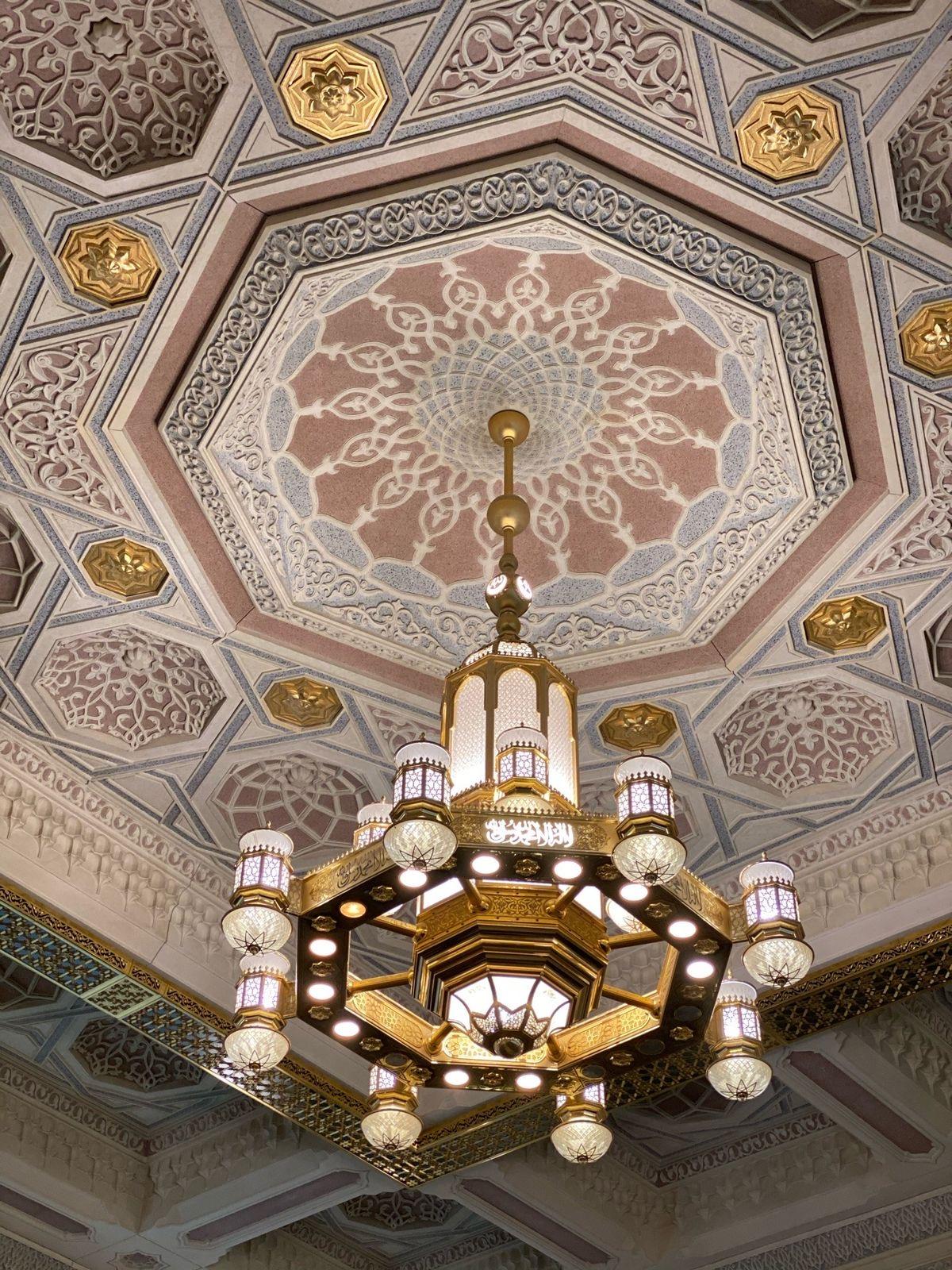
The grand doors are made of high-quality materials, such as gold-plated copper and rare wood, designed to withstand time and reflect the beauty and reverence of the mosque. Each gate is intricately decorated with Islamic calligraphy, geometric patterns, and verses from the Qur'an.
Some of the most famous gates include Bab al-Salam, Bab al-Baqi, Bab Malik Fahd, and Bab Jibril, each with its own historical and spiritual significance.
The purpose of these majestic gates is not only functional—to control access and protect the sacred interior—but also symbolic, representing the glory and sanctity of the Prophet’s Mosque and serving as a welcoming entrance for millions of Muslim pilgrims visiting Medina each year.
The Origins of a Masterpiece: From the Heart of Java to the Spirit of Medina
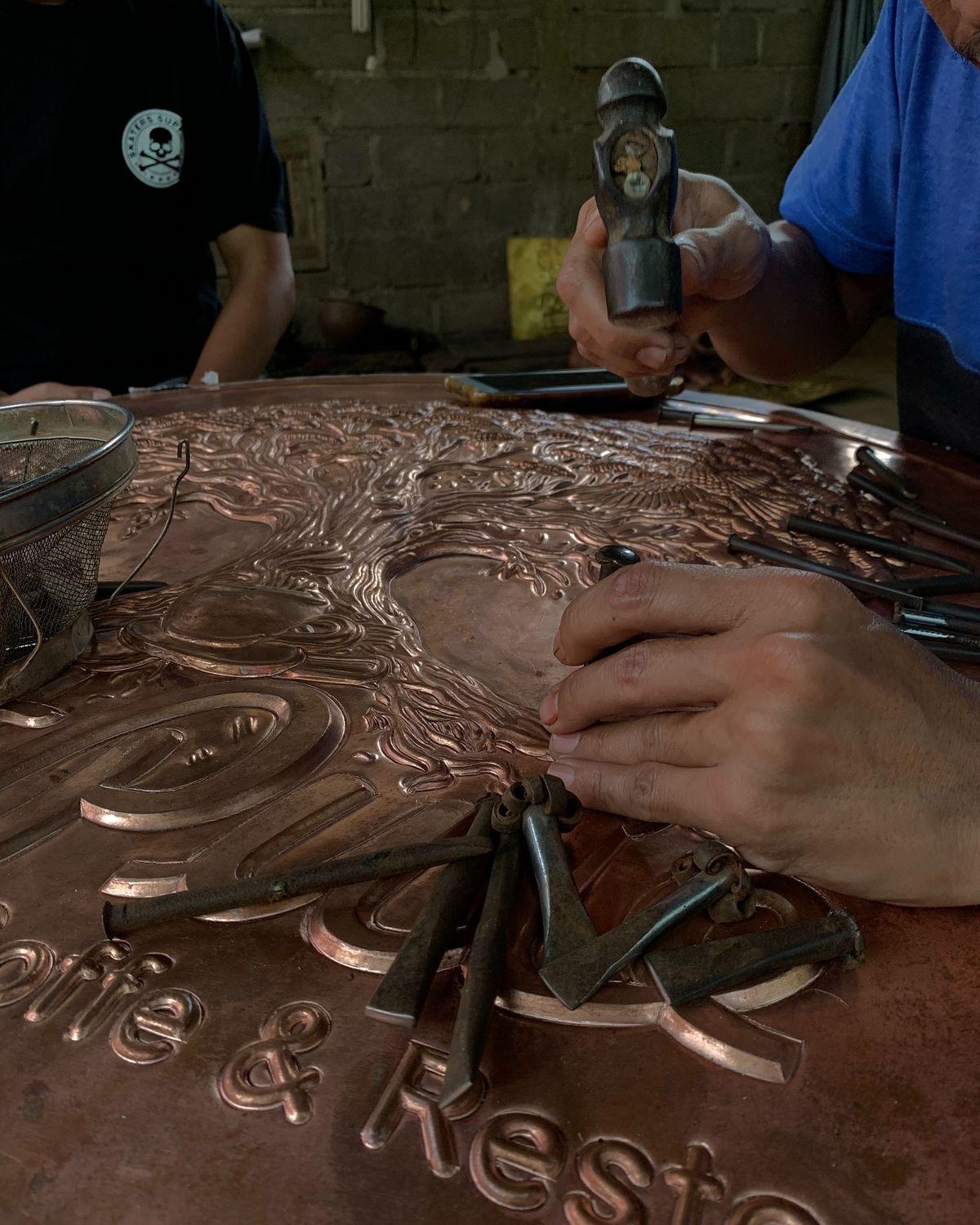
Nestled in the serene highlands of Cepogo, Boyolali, Central Java, a community of skilled artisans has long been renowned for their mastery in crafting copper and brass artworks. With generations of experience passed down through time, these craftsmen have now turned their hands to an extraordinary endeavor: producing a stunning replica of the iconic Nabawi Door — a symbol of reverence, grandeur, and divine beauty.
This magnificent creation is carved from premium teak wood, chosen for its durability, rich texture, and timeless elegance. Every curve and contour is brought to life with intricate brass ornamentation, hand-engraved in traditional Arabic motifs that echo the spiritual artistry of the Islamic world.
Blending Javanese craftsmanship with Islamic heritage, this luxurious replica is not just a door — it is a testament to devotion, precision, and cultural harmony. It tells the story of how a small village in Java has reached across time and continents to recreate a sacred masterpiece that resonates with faith and artistry.
Leave a reply
Your email address will not be published. Required fields are marked *