
 FACEBOOK
 Google


- Admin
- 01 June 2025
The Origins of Copper and Brass Craftsmanship in Cepogo, Boyolali
The Origins of Copper and Brass Craftsmanship in Cepogo, Boyolali
Nestled in the cool foothills of Mount Merbabu, the district of Cepogo in Boyolali Regency, Central Java, holds a rich legacy of traditional craftsmanship that has endured through centuries. Among its most treasured heritages is the art of metalworking—specifically, the intricate craft of shaping copper and brass into both functional and ornamental objects. The story of this craft is not merely about tools and techniques; it is about culture, perseverance, and identity.
The roots of copper and brass craftsmanship in Cepogo trace back to the early Javanese kingdoms, particularly during the era of the Mataram Kingdom. Historical accounts and oral traditions suggest that this region, with its strategic location and access to trade routes, became a hub for skilled artisans who were influenced by Hindu-Buddhist culture. These early smiths initially created ritual objects, such as temple ornaments, gongs, and ceremonial vessels used in religious rites.
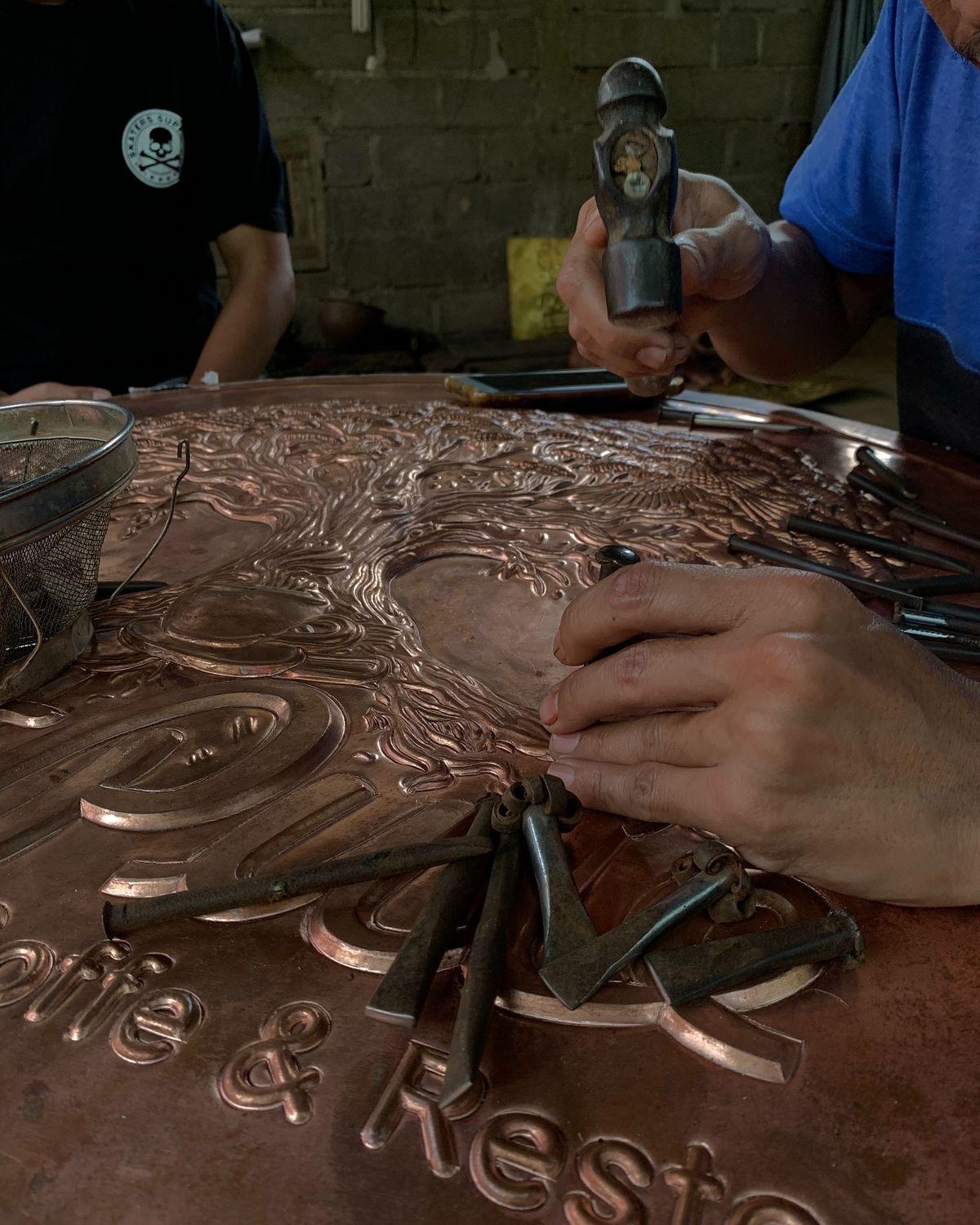
Over time, as metal became more widely available and demand for decorative items increased, the craft evolved beyond spiritual and royal use. Local artisans began to develop unique techniques of hammering, engraving, and molding copper and brass, passing down their knowledge through generations. Each piece was—and still is—crafted by hand, reflecting the soul of the maker and the cultural essence of Javanese artistry.
What sets Cepogo apart is not only the quality of its craftsmanship but also the tight-knit community of artisans who sustain the tradition. Families often work together, blending age-old methods with subtle innovations, while maintaining respect for the philosophical values embedded in their work. The sound of metal being hammered, the glow of furnaces at dawn, and the delicate chiseling of motifs all form part of a living tradition that binds past and present.
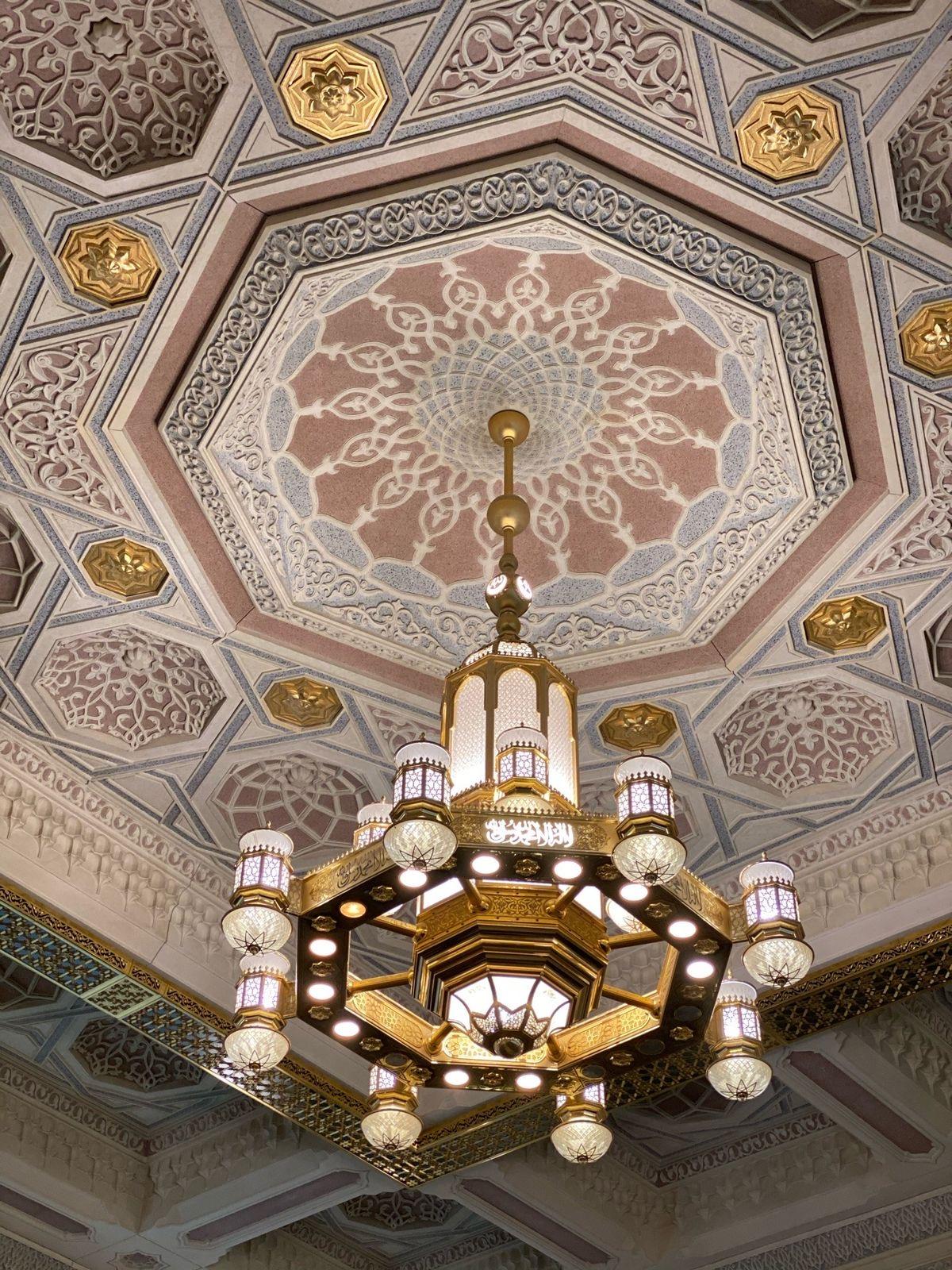
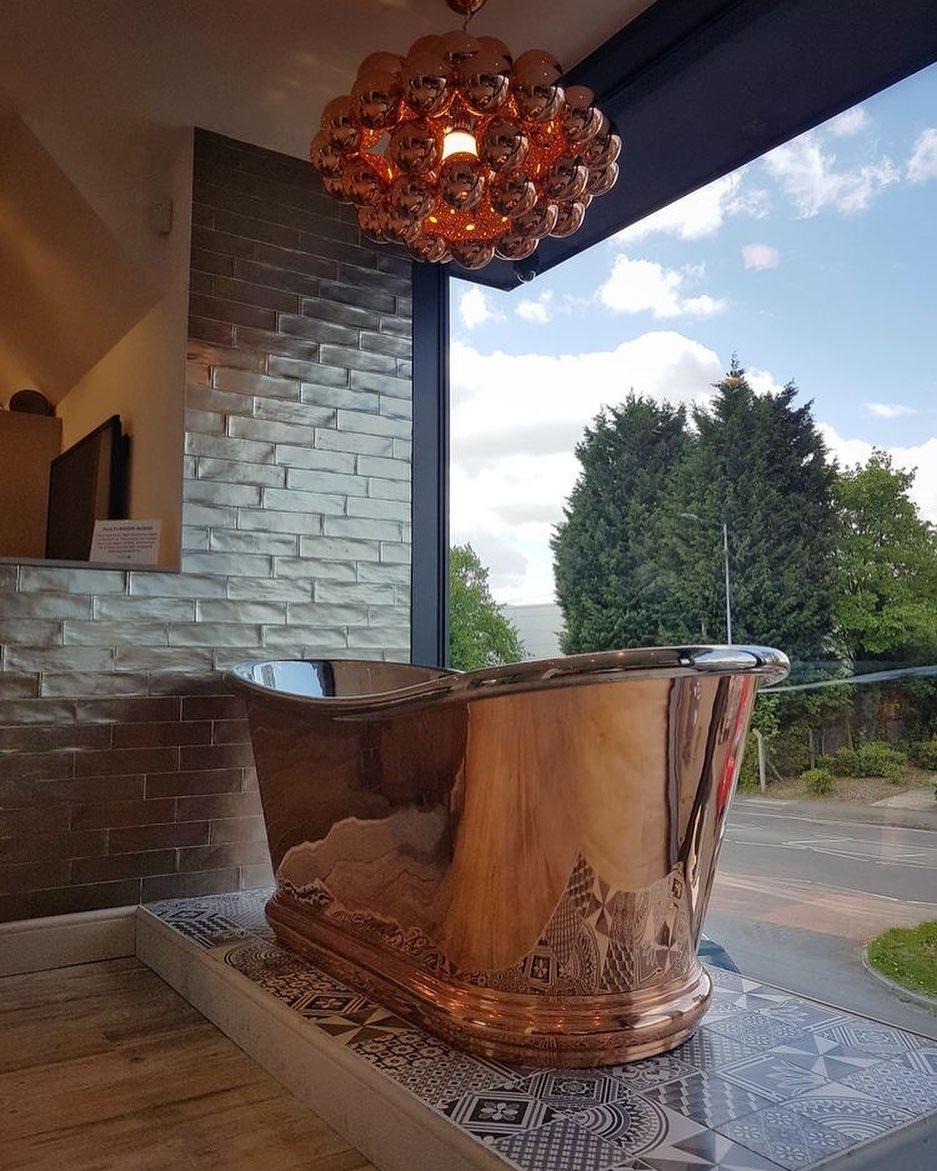
Today, the copper and brass artisans of Cepogo continue to attract attention both nationally and internationally. From household décor and traditional gamelan instruments to modern design pieces, their works are celebrated for their durability, detail, and timeless beauty. As interest in sustainable, handmade products grows, so too does the appreciation for the cultural and historical richness of Cepogo's metalwork heritage.
In every creation forged in the workshops of Cepogo, there lies not only artistic expression but a deep connection to history—one that speaks of a village that turned metal into meaning, and tradition into treasure.
Leave a reply
Your email address will not be published. Required fields are marked *